
3 Actions That Music Producers, Sound Engineers, and Mixers Can Take to Pursue Sound Recording Royalties
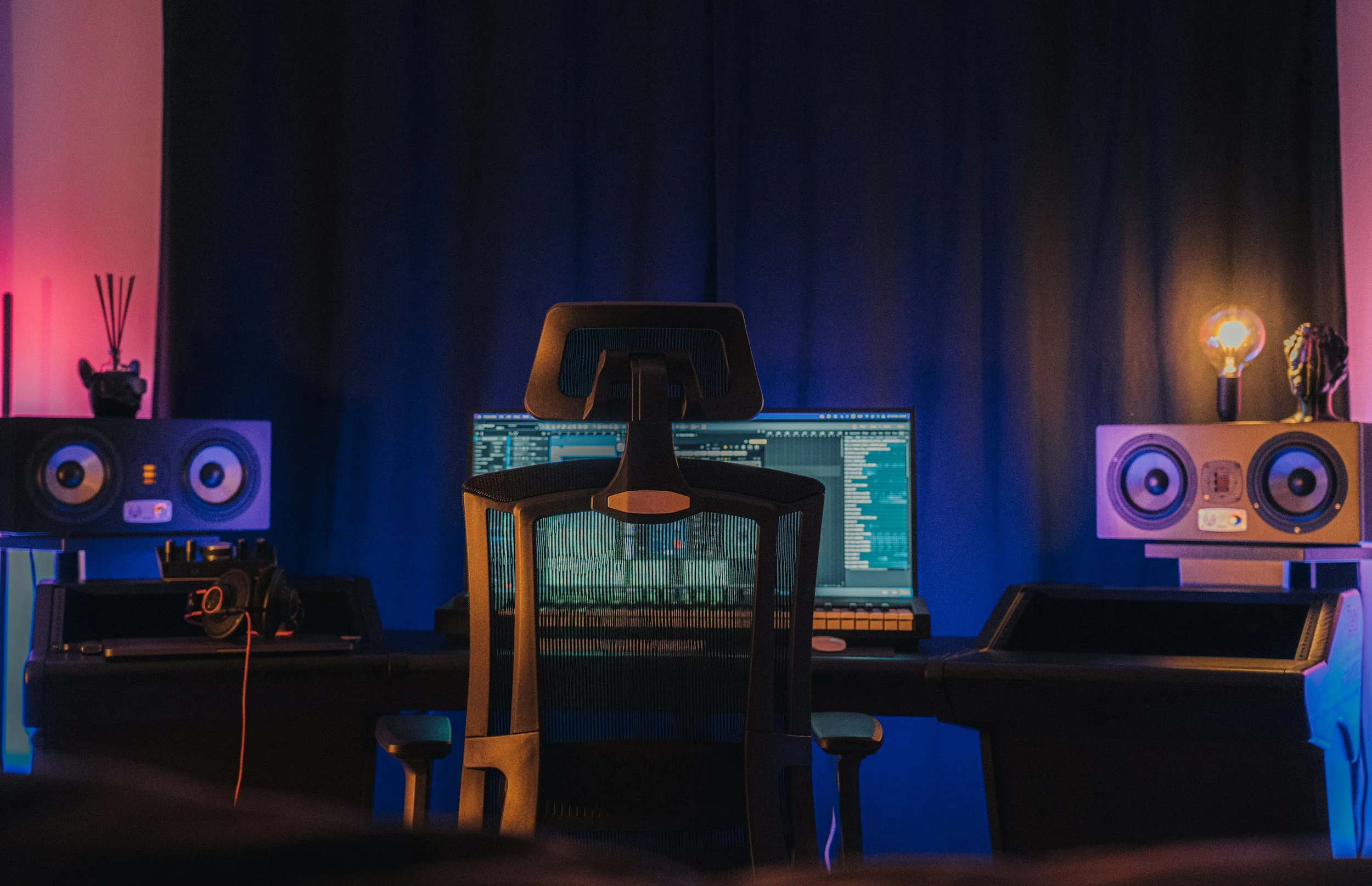
Producers, engineers, mixers, and re-mixers of sound recordings who creatively participate in the making of a sound recording (“Creative Participants”) can receive sound recording performance royalties if the featured artist on the sound recording takes certain steps. The Music Modernization Act (“MMA”), signed into law in 2018, set forth a process where a designated collective (which is, right now, SoundExchange) distributes sound recording performance royalties to Creative Participants under a “letter of direction” (“LOD”).[1] Featured artist(s) registered with SoundExchange can submit an LOD to direct royalties to Creative Participants.
In order for Creative Participants to receive any of these royalties from SoundExchange, two main requirements need to be met.
First, Creative Participants must not be a Featured Artist (the most prominently highlighted artist(s) on the track), a backup singer, or a session musician on the relevant track. These groups may be entitled to sound recording royalties but the process of obtaining them does not involve an LOD.[2]
Second, the Featured Artist(s) must direct SoundExchange to pay a portion of their sound recording performance royalties to the Creative Participant(s) via an LOD and Repertoire Chart. The Featured Artist(s) must be registered with SoundExchange. This means that Creative Participants cannot execute the paperwork by themselves.
The Featured Artist(s) can indicate on the Repertoire Chart what percentage of artist recording performing royalties should be assigned to the LOD recipient.
LODs may be filed retroactively. However, Creative Participants should note that the law around and process of obtaining an LOD for sound recordings fixed before November 1, 1995, is different than that for sound recordings fixed after this date. In order to receive an LOD for sound recordings fixed before that date, the Creative Participant must have entered a written contract with the Featured Artist(s) or record company involved in making the track that entitles the Creative Participant to participate in the relevant royalty payments.
Written contracts are not required for LODs involving tracks fixed on or after the above date. However, it may be in a Creative Participant’s interest to have a written contract for their work on a track to set forth a specific royalty percentages.
So, what steps can Creative Participants take to pursue sound recording royalties?
1. For tracks that you’ve already worked on, talk to the Featured Artist(s) (or their team) about securing an LOD and Repertoire chart. Remember that the Featured Artist must be registered with SoundExchange and if the track was fixed before November 1, 1995, the Creative Participant will need a written contract to get royalties.
2. For future tracks, Creative Participants can consider talking to artists proactively about LODs and developing a standard written agreement to use with artists that sets forth entitlement to sound recording royalties and a specific percentage.
3. More information regarding LOD and Repertoire Chart forms, information, and submissions can be found on SoundExchange’s website. Creative Participants can familiarize themselves with the process and forms and use these resources to assist communication with artists.
If you are a music producer, sound engineer, or mixer looking to understand how to pursue sound recording royalties, I invite you to explore the Crescendure IP website further and book a Consultation!
[1] 17 U.S.C. § 114(g).
[2] SoundExchange does distribute sound recording performance royalties to featured artists, but no LOD is required. The American Federation of Musicians distributes sound recording performance royalties to member session musicians. The American Federation of Television and Radio Artists (SAG-AFTRA) distributes sound recording performance royalties to non-featured musicians. See 17 U.S.C. § 114(g)(2).